Insights from Recent Study
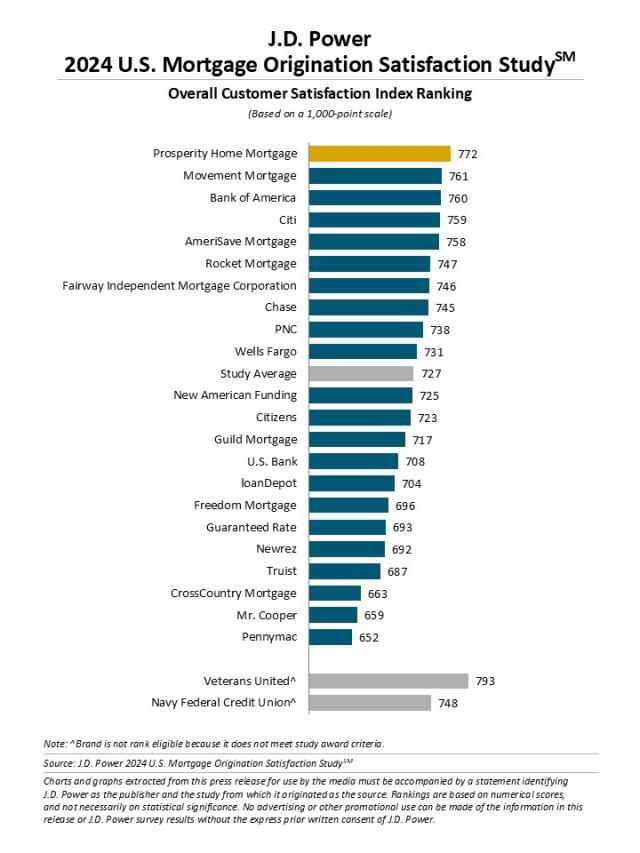
Local lenders are currently driving overall satisfaction higher for the mortgage industry, which is seen in JD Power's data. This differentiates them competitively, leading to better experiences, higher loyalty, and increased advocacy metrics.
According to their data, a key finding is that consumers generally do not like the direct connection when referred by certain parties.
Satisfaction is significantly lower (10-12% lower) for customers who are referred to a lender by a real estate agent.
The lowest satisfaction levels are observed among customers referred by builders or dealing with all-encompassing builder companies, potentially due to a feeling of being "locked in".
Transparency in the process, particularly during the application and approval stages, has the biggest impact on overall satisfaction. The ability to stay informed during the process is the most heavily weighted factor in their overall satisfaction index.
Managing anxiety during the complex mortgage process is crucial, and technology plays a role in making information readily available to the consumer.
Setting and meeting expectations is key to building trust and satisfaction, especially regarding the speed of approval. Meeting the stated timeframe, even if longer, is more impactful than missing an expectation while being faster. Overperforming on expectations further boosts satisfaction.
The data suggests that the process itself is perceived as part of the product by consumers. The way a loan officer or lender interacts with customers and manages the process is as much a part of the offering as the loan terms.
Friends and family referrals are very strong and can have the greatest impact on lender choice, sometimes even surpassing real estate referrals. These referrals often build advocacy and result in less shopping around, as consumers trust the initial offer they receive.
Engaging with potential borrowers earlier, even before they are actively thinking about buying, and playing an educational role in their financial journey increases the likelihood of converting them into customers. Offering value upfront, without immediately asking for business, helps build trust.
A critical finding is that the perception of being customer-focused rather than profit-focused is the most impactful brand image element. Being seen as prioritizing profit negatively affects the overall experience.
Younger borrowers (Gen Y and Gen Z) utilize online resources extensively, such as Zillow, Redfin, and Realtor.com, but are not achieving full digital adoption because current digital capabilities don't entirely meet their needs. This leads to a hybrid preference for digital tools combined with personal interaction.
The positive trend in industry satisfaction over the past year and a half has been significantly driven by retail lenders, highlighting the value of local, personal interaction.
For younger potential borrowers, the ability to interact digitally, particularly through a mobile app, and providing them with effective tools is crucial for establishing "stickiness" in the relationship.